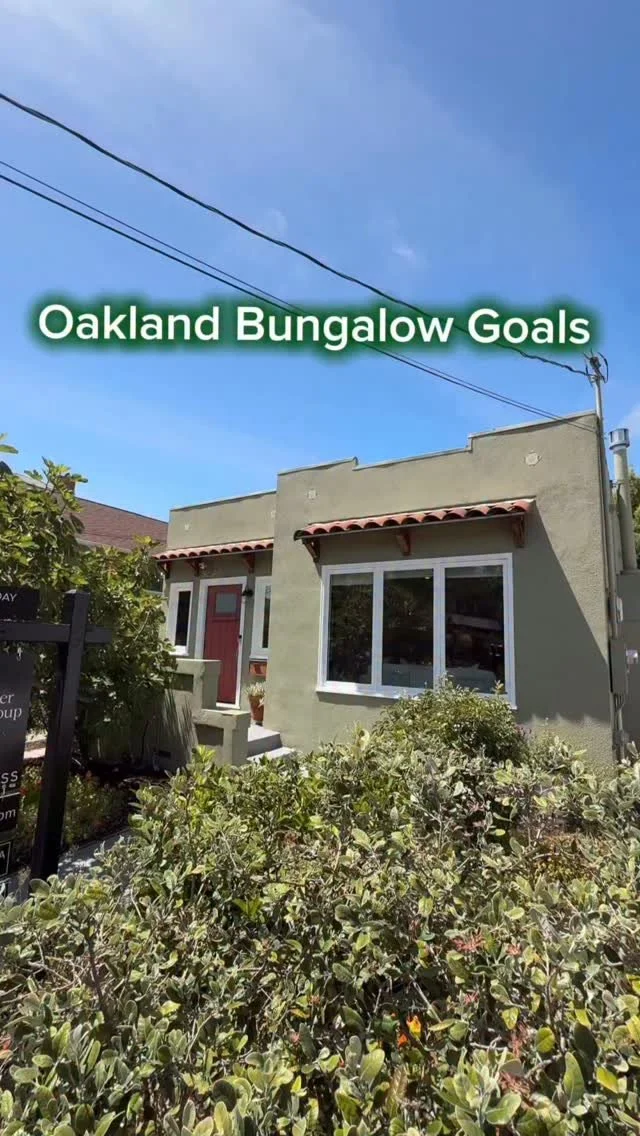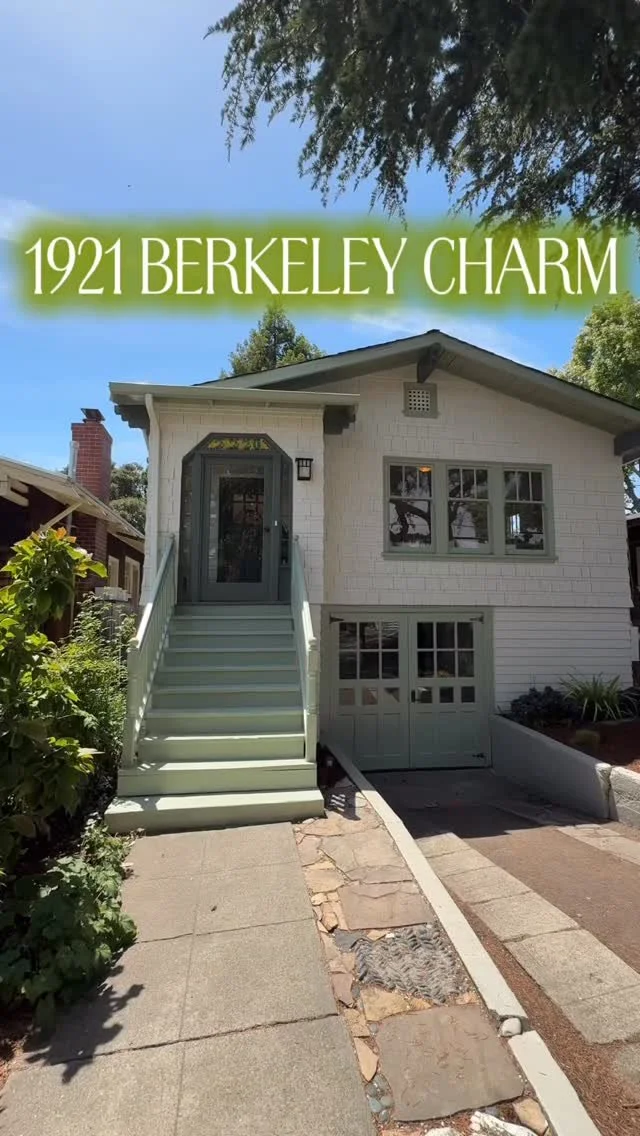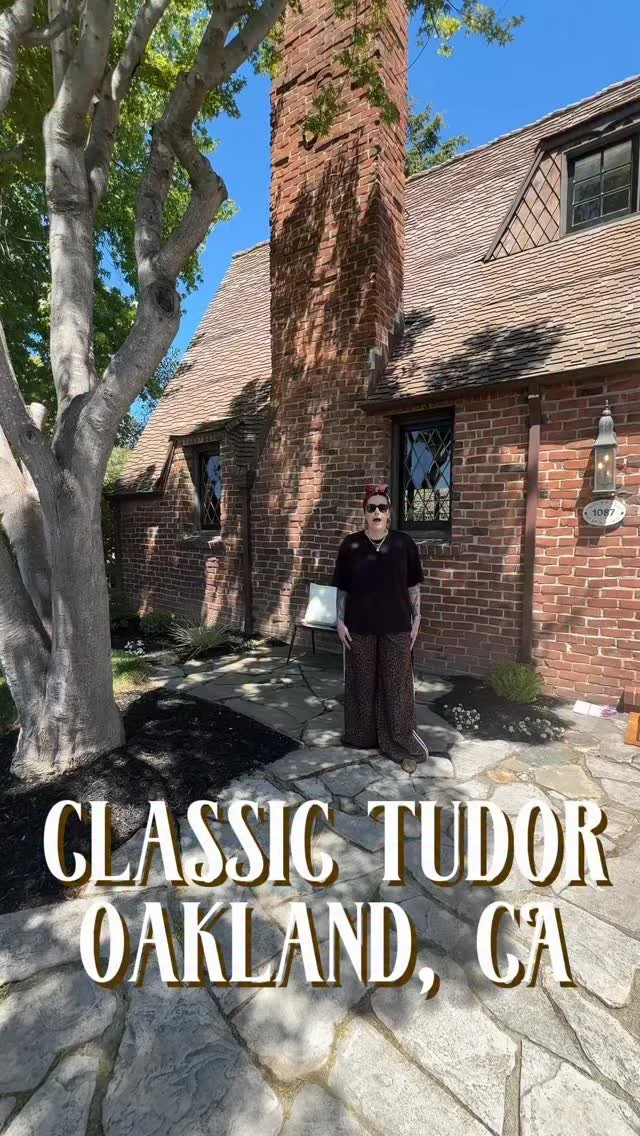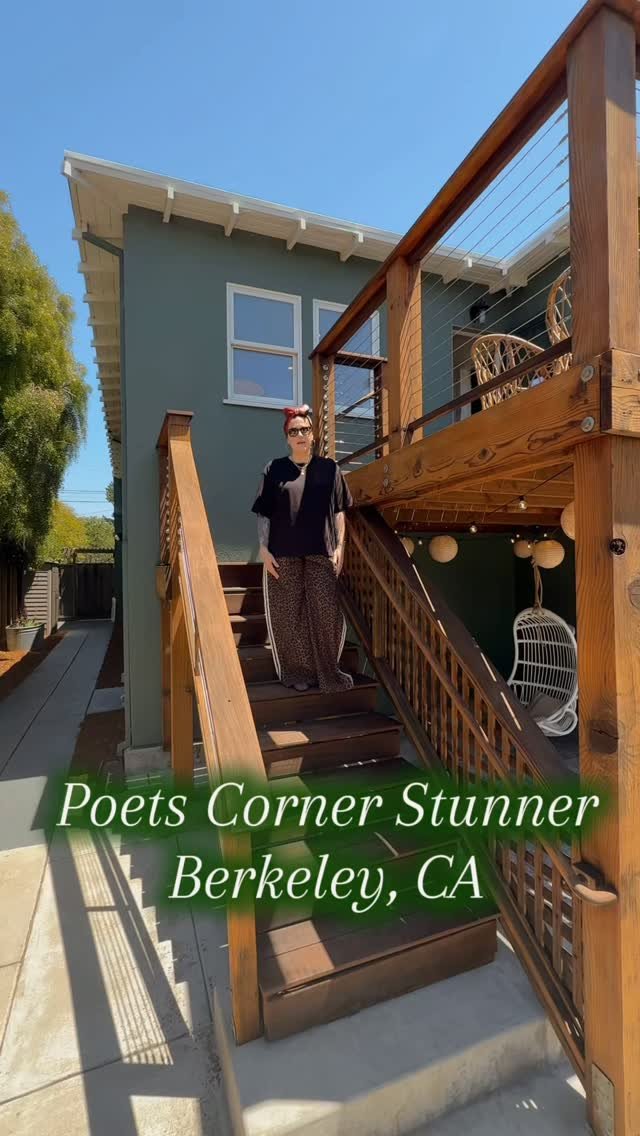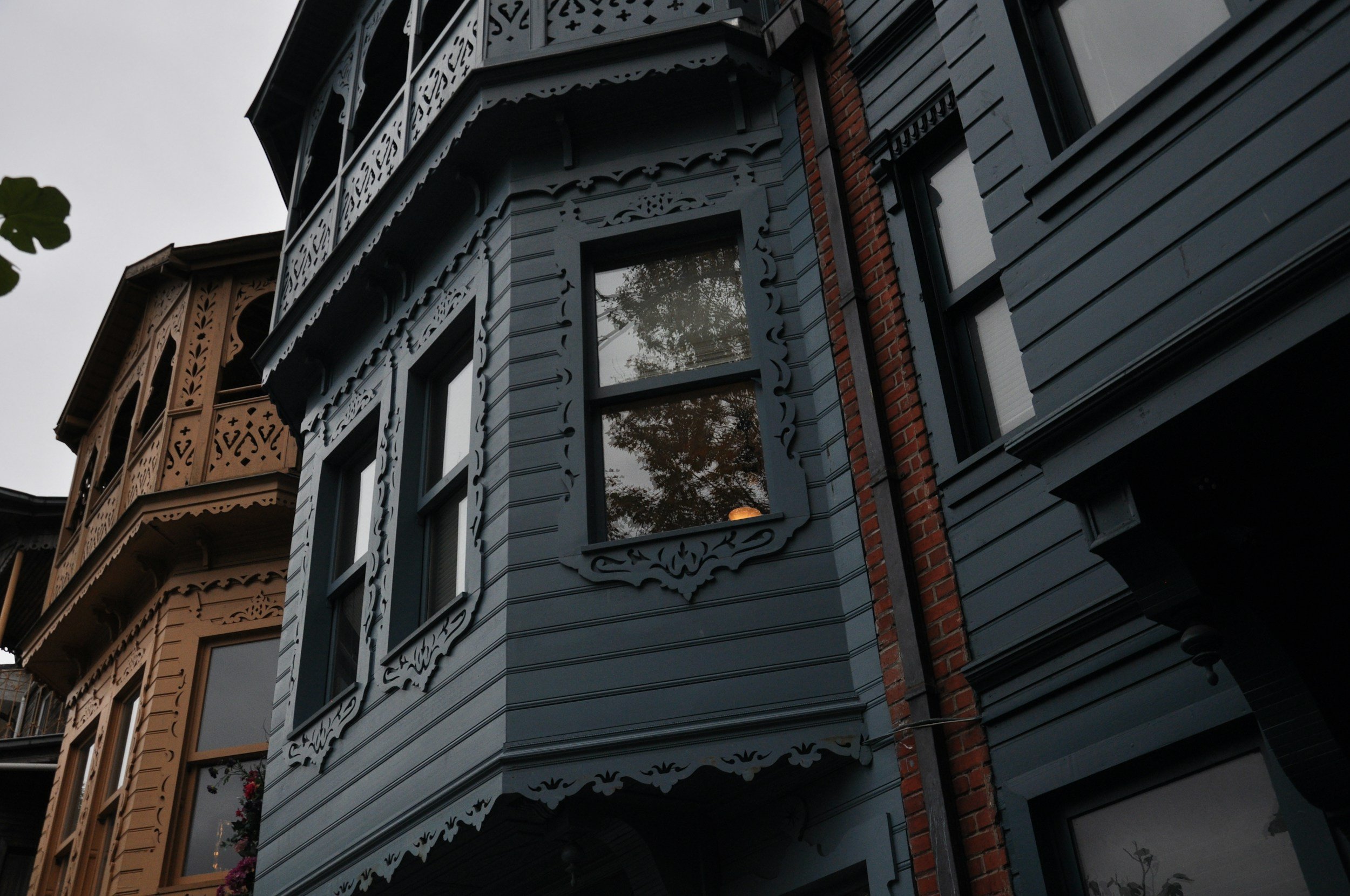
Buying Older Homes in Oakland & the East Bay
What people don’t always tell you about inspections, quirks, renovations, and why people fall in love with old homes anyway.
Older homes have personality. They also have quirks.
Oakland and the East Bay are full of homes with character, history, charm, and personality. They’re also full of uneven floors, old electrical panels, inspection reports that can feel overwhelming, and at least one questionable renovation choice from a previous owner.
This guide is less about fear and more about realism. Older homes are rarely perfect, and honestly, that’s part of the appeal.
The goal is understanding what matters, what’s manageable, and how to approach the process without panicking every time an inspection report hits your inbox.
Why People Fall In Love With Older Homes
Usually it starts with something small.
Original built-ins.
Old windows.
Natural light.
Woodwork.
Vintage tile.
A weird little breakfast nook.
Older homes tend to feel warmer, more detailed, and more personal than newer construction.
A lot of buyers in Oakland and the East Bay are not just buying square footage. They’re buying neighborhood character, architecture, history, walkability, and a feeling.
That emotional connection is real.
What Inspection Reports Actually Feel Like
If you’ve never purchased an older home before, inspection reports can feel genuinely terrifying the first time you read them.
Especially in Oakland.
It’s very common for older homes here to have notes about foundations, drainage, settling, sewer laterals, aging electrical systems, moisture, cracks, and deferred maintenance.
The important thing to understand is that inspection reports are designed to identify issues and recommendations. That does not automatically mean a house is “bad” or falling apart.
A huge part of buying older homes is learning the difference between what’s common, what’s manageable, what’s expensive, and what actually matters.
“The goal is not finding a perfect inspection report. The goal is understanding the home realistically.”
What’s Actually Common In Older East Bay Homes
-
Many older homes in Oakland and the East Bay have experienced some level of settling over time. That can show up as uneven floors, plaster cracks, sticking doors, or slight sloping.
Not every crack automatically means a major structural issue, but buyers should always rely on qualified inspectors and licensed professionals for evaluation and recommendations.
A big part of buying older homes is learning what’s relatively common versus what deserves further investigation.
-
Private sewer laterals are a major part of many East Bay transactions.
Some homes already have compliant sewer laterals while others may require repairs or replacement. Buyers should review sewer reports carefully and understand any city-specific compliance requirements before closing.
This is one of those things that can sound intimidating initially, but it’s also an extremely common part of older home ownership in the East Bay.
-
Drainage and moisture management come up frequently in older East Bay homes because of hillside terrain, aging infrastructure, and older construction methods.
This can include grading, retaining walls, downspouts, drainage systems, and occasional basement moisture.
Water management matters a lot in older homes, and it’s something buyers should understand realistically without immediately assuming the worst.
-
Depending on the property, buyers may encounter older electrical panels, older wiring, galvanized plumbing, or partial system updates.
Some systems may function adequately while others may warrant updating for safety, insurance, or long-term planning.
A huge part of the process is understanding what has already been updated, what may need attention eventually, and what’s relatively common for homes of a certain age.
-
Older homes usually require ongoing maintenance over time. That does not make them “bad” homes.
One of the biggest mindset shifts for buyers is understanding that older homes are rarely ever fully “done forever.” There’s usually always something that could be improved, updated, repaired, or maintained eventually.
The goal isn’t finding a perfect house. It’s understanding the home realistically and knowing which projects feel manageable for you.
Character vs. Perfection
A lot of buyers start their search hoping to find the perfect layout, perfect condition, perfect location, perfect character, and perfect price.
Realistically, that combination rarely exists.
Personally, I would almost always choose original character, natural light, thoughtful updates, neighborhood feel, and warmth over a perfectly staged gray flip with no personality.
The buyers who tend to feel happiest long-term are usually the ones who learn what matters deeply to them and what imperfections they can realistically live with.
Things I Personally Notice In Older Homes
One of my favorite parts of walking through older homes is noticing the small things that make a house feel warm, thoughtful, or genuinely special.
These are usually the details I notice almost immediately.
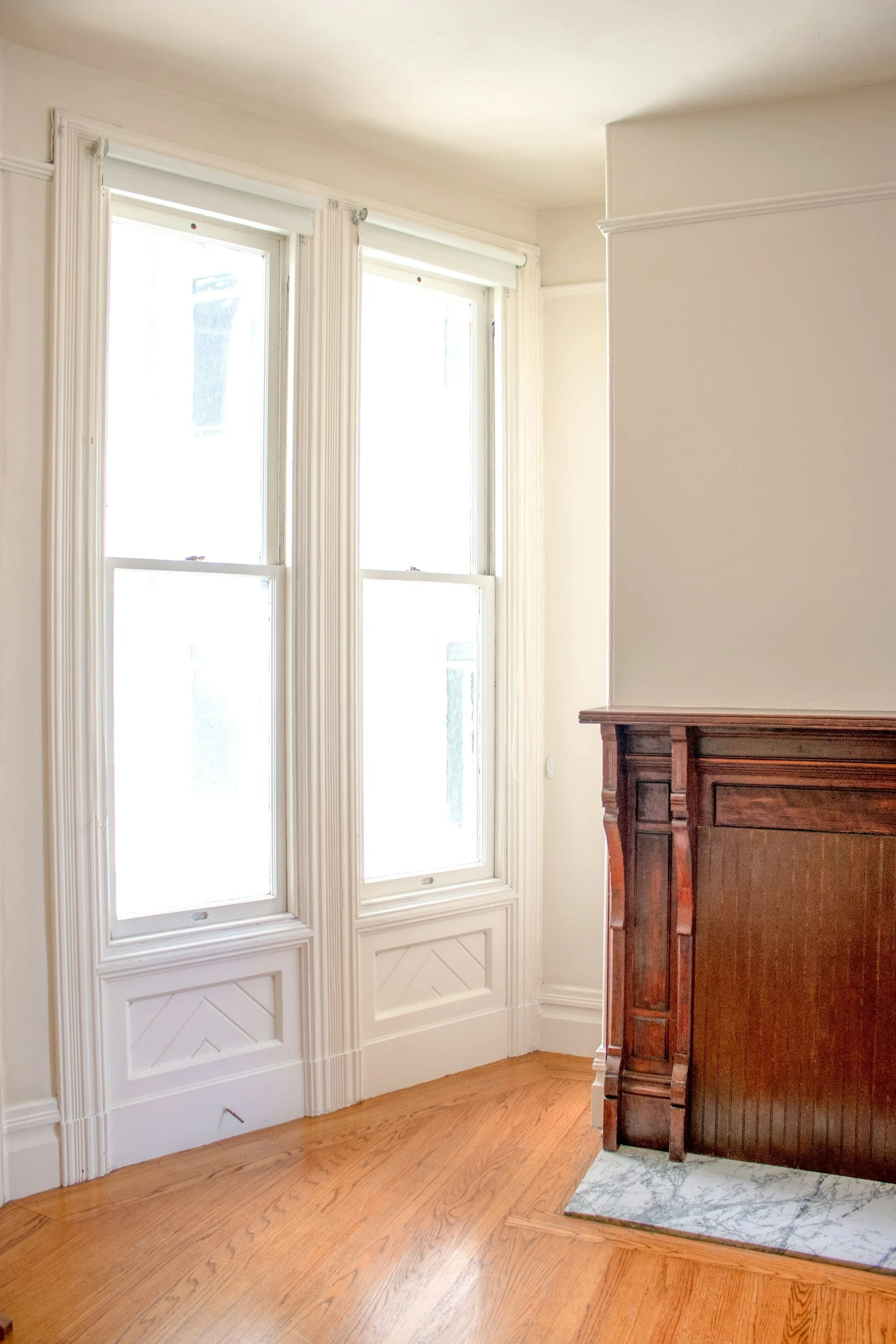
Natural Light
Natural light changes how a home feels more than almost anything else.
I pay attention to where the light comes in throughout the day, how rooms connect to each other, and whether the house feels bright in a calming way versus just “white and renovated.”
Some older homes have a softness and warmth to the light that’s honestly hard to recreate.
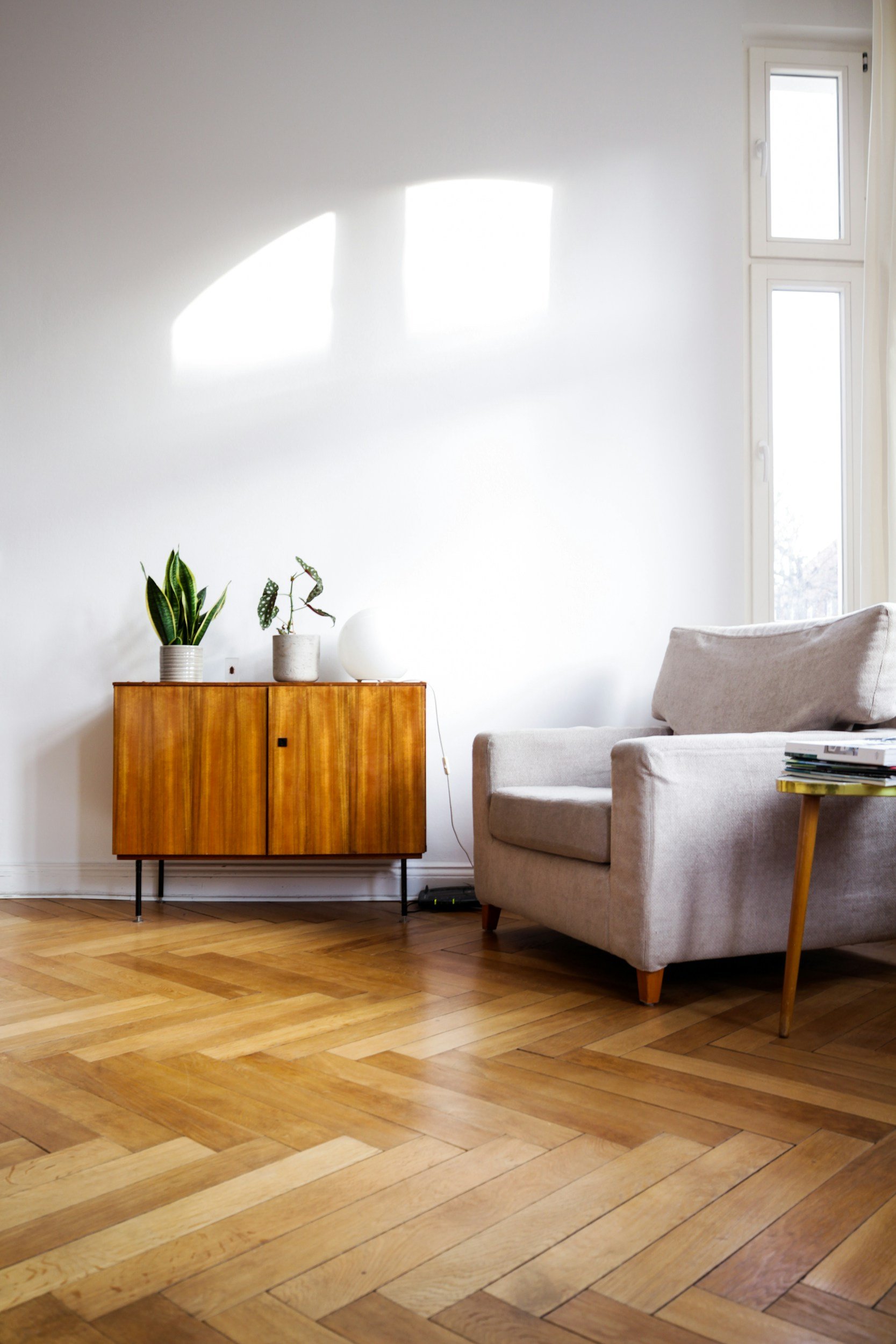
Original Details
I will always notice original details.
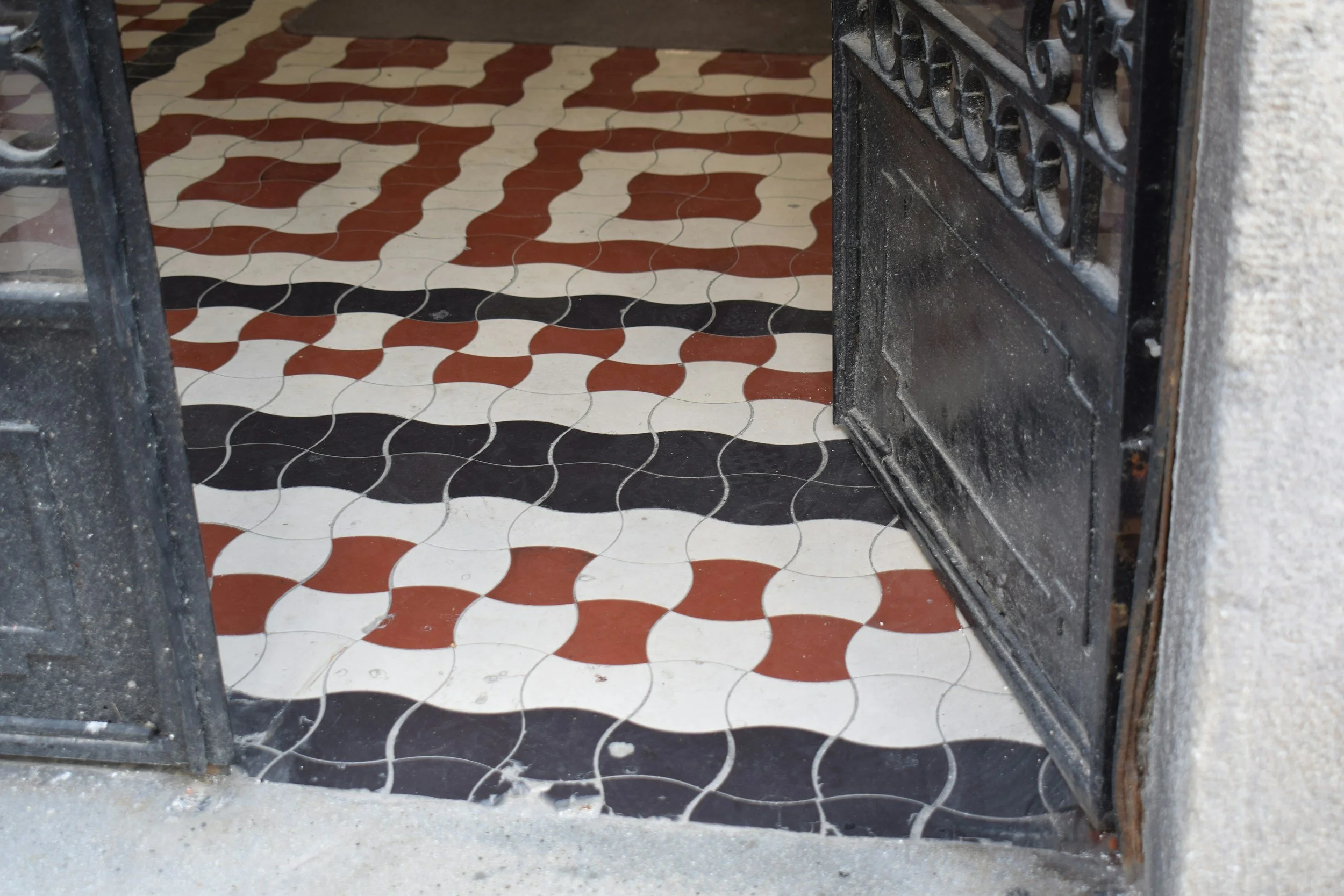
Built-ins, old windows (wavy glass is my favorite), trim, vintage tile, glass knobs, woodwork, arches, original fireplaces — all of those things add personality and texture that newer homes often don’t have.
Not every original feature needs to stay untouched forever, but thoughtful preservation can make a home feel incredibly layered and lived-in.
Quality Of Renovations
Not all renovations feel the same.
I pay close attention to whether updates feel thoughtful and cohesive or rushed and cosmetic.
Sometimes a home has been beautifully modernized while still respecting the original character. Other times, you can tell corners were cut almost immediately.
Usually buyers can feel that difference too, even if they can’t fully explain why.
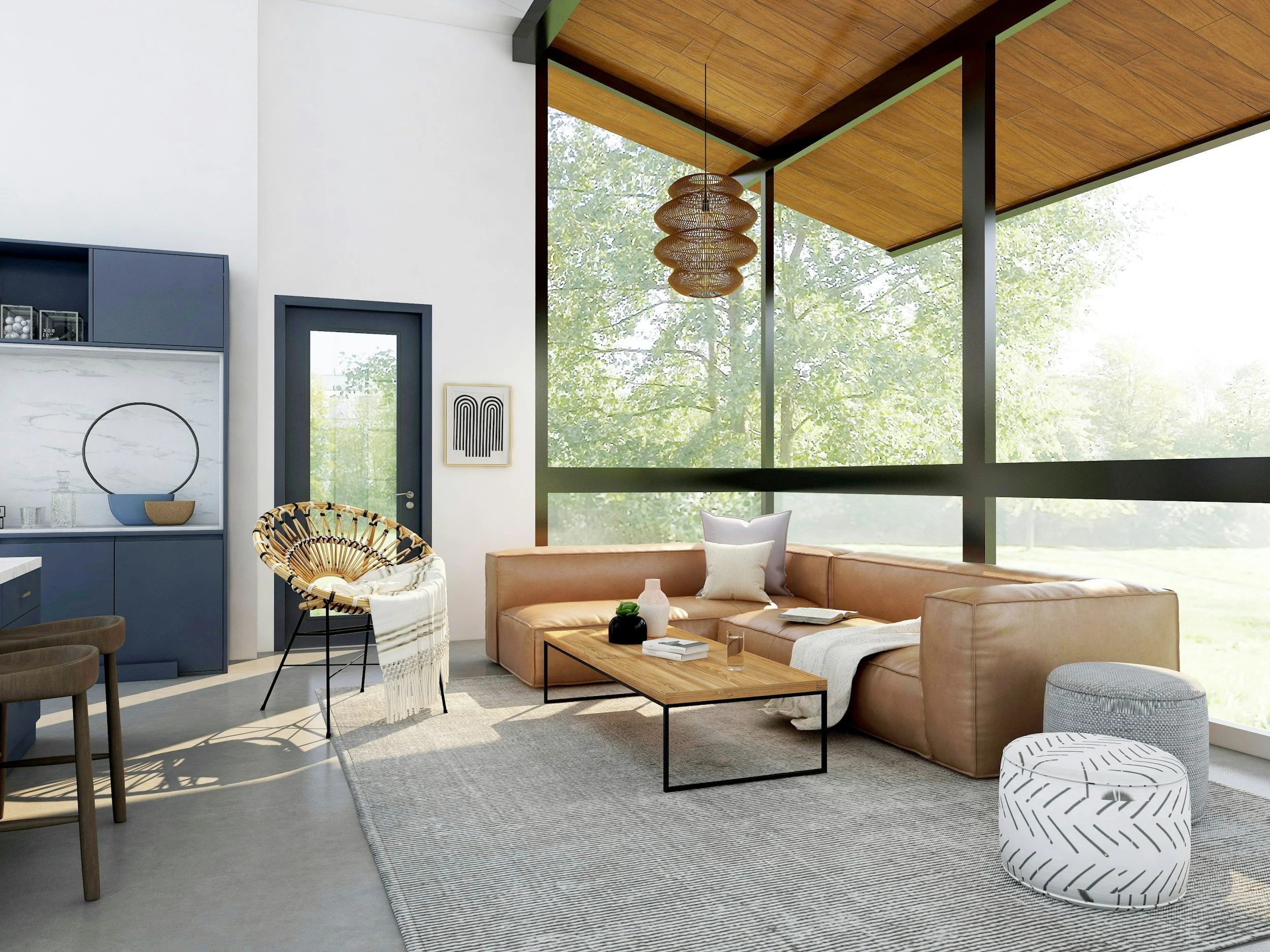
A home can have beautiful finishes and still not feel good to actually live in.
I pay a lot of attention to flow, how spaces connect, whether rooms feel intuitive, where people naturally gather, and whether the home feels comfortable versus overly optimized.
Some older homes have layouts that feel surprisingly timeless. Others require a little imagination.
Layout & Flow
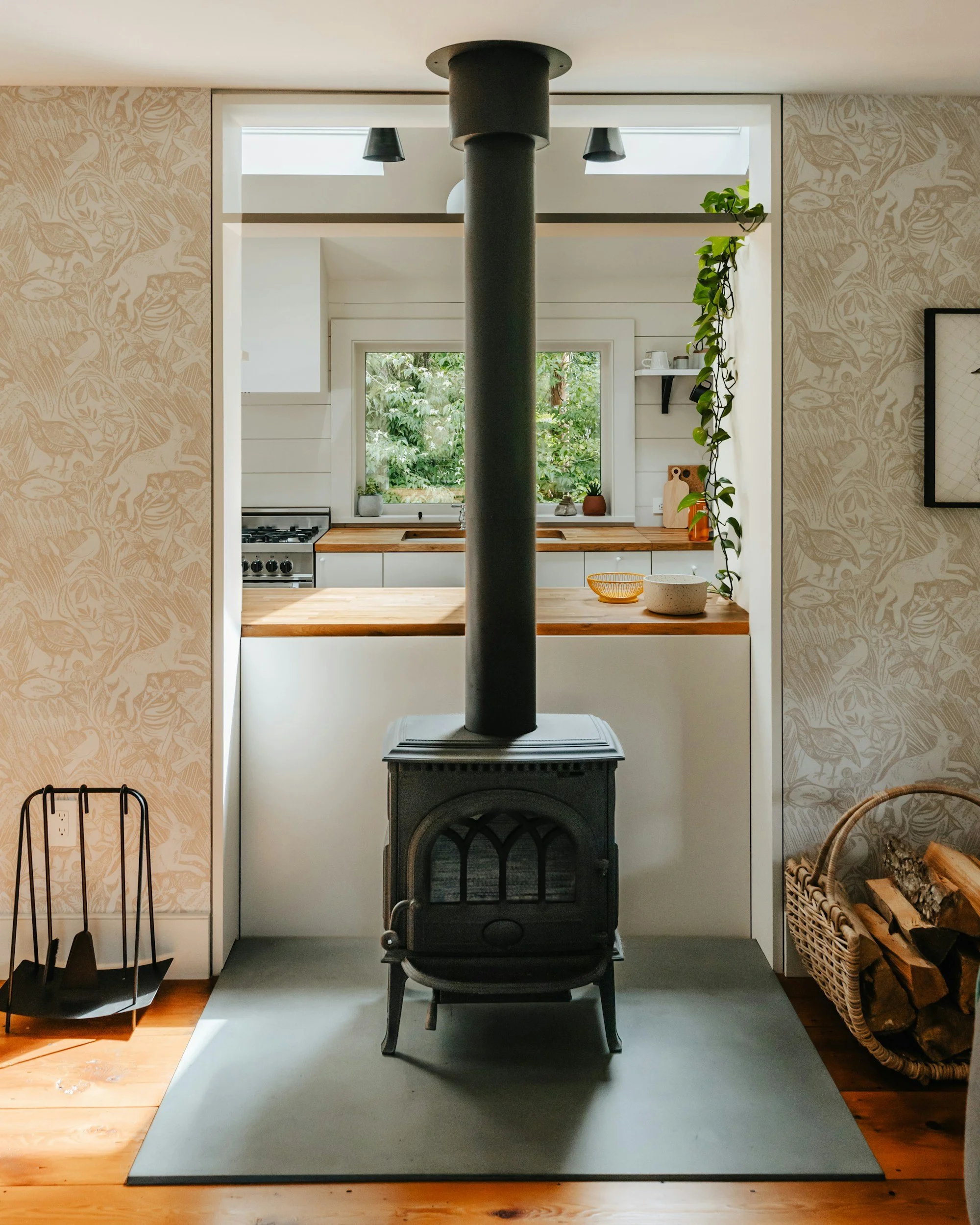
A lot of buying older homes is emotional in a way people don’t always expect.
Sometimes the homes that stay with you are not the “perfect” ones. They’re the ones that feel memorable, warm, personal, and genuinely lived in.
What Makes Older Homes Worth It Anyway
Older homes are not always the easiest homes to own.
They may require maintenance, patience, compromise, and long-term planning.
But for many buyers, they also offer something that feels increasingly hard to find: personality.
A lot of people are not looking for a perfectly optimized house. They’re looking for warmth, character, neighborhood connection, individuality, and a place that actually feels like home.
Thinking About Buying An Older Home?
I’m always happy to talk through neighborhoods, inspections, renovation realities, common older home issues, and what’s actually worth worrying about versus what’s simply part of owning an older home.
I also share Oakland home tours, neighborhood guides, older homes, local spots, and everyday East Bay life over on Instagram.